
Neighborhoods
Discover the communities Tamer serves
Milton
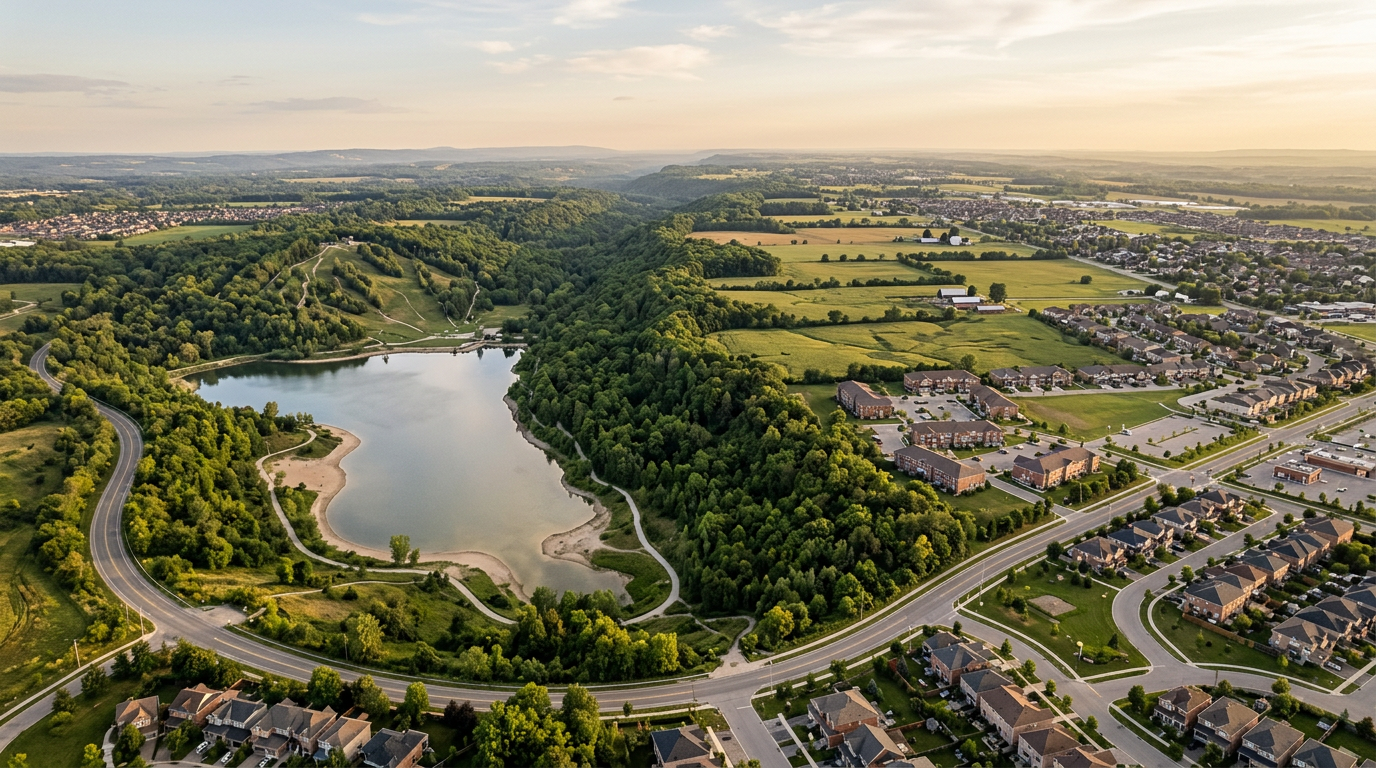
Milton sits northwest of Toronto, straddling the edge where suburban development meets rolling farmland and the Niagara Escarpment. The commute to downtown Toronto runs about an hour, making this a practical base for those who work in the city but prefer more space and a family-oriented setting. The town has grown steadily, with newer subdivisions spreading across former agricultural land, offering detached homes on modest lots alongside townhouse communities that attract young families and first-time buyers.
Milton
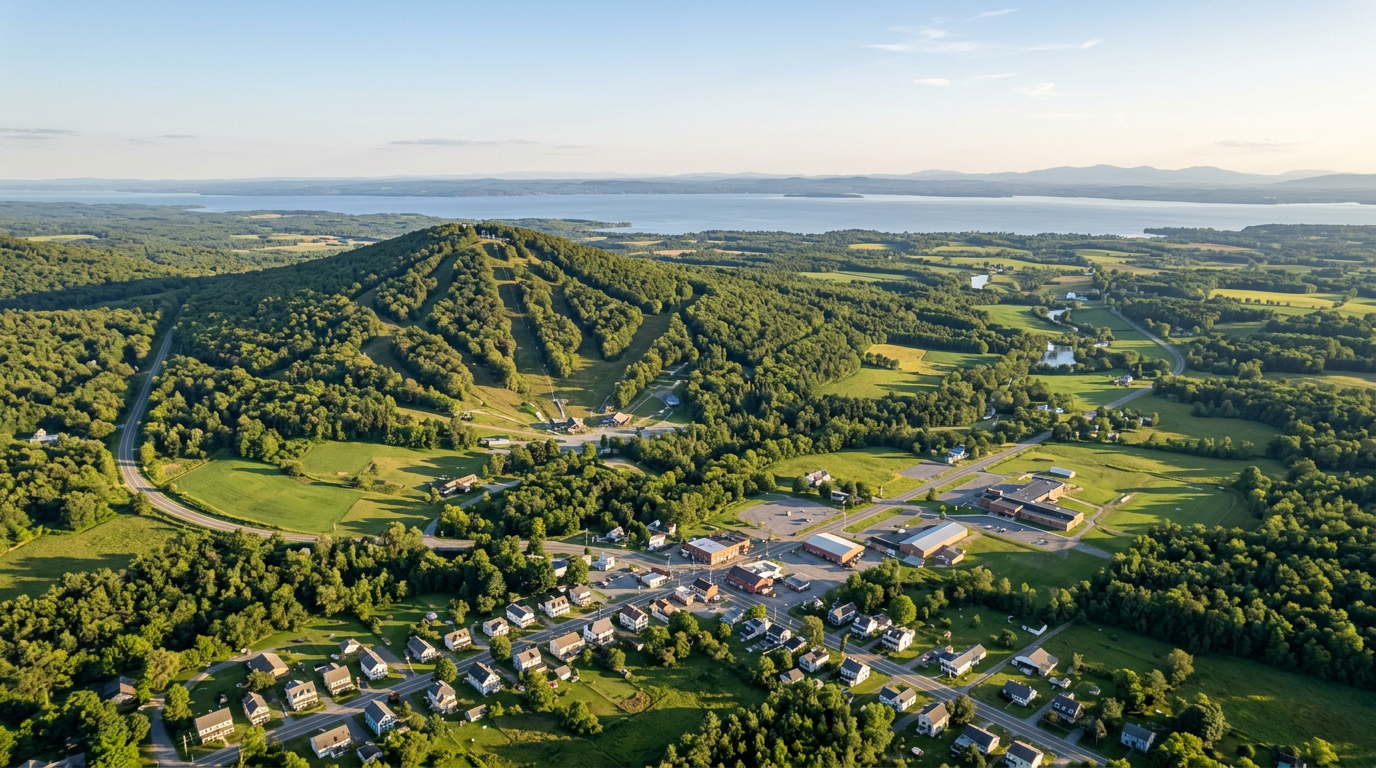
Milton sits in northwestern Vermont between Burlington and the Canadian border, positioned along the Lamoille River where it drops through a series of scenic falls. Interstate 89 runs through town, placing residents fifteen minutes from Burlington's employment centers and amenities while maintaining more affordable housing and generous lot sizes typical of Vermont's working landscape.
Mississauga
Erin Mills
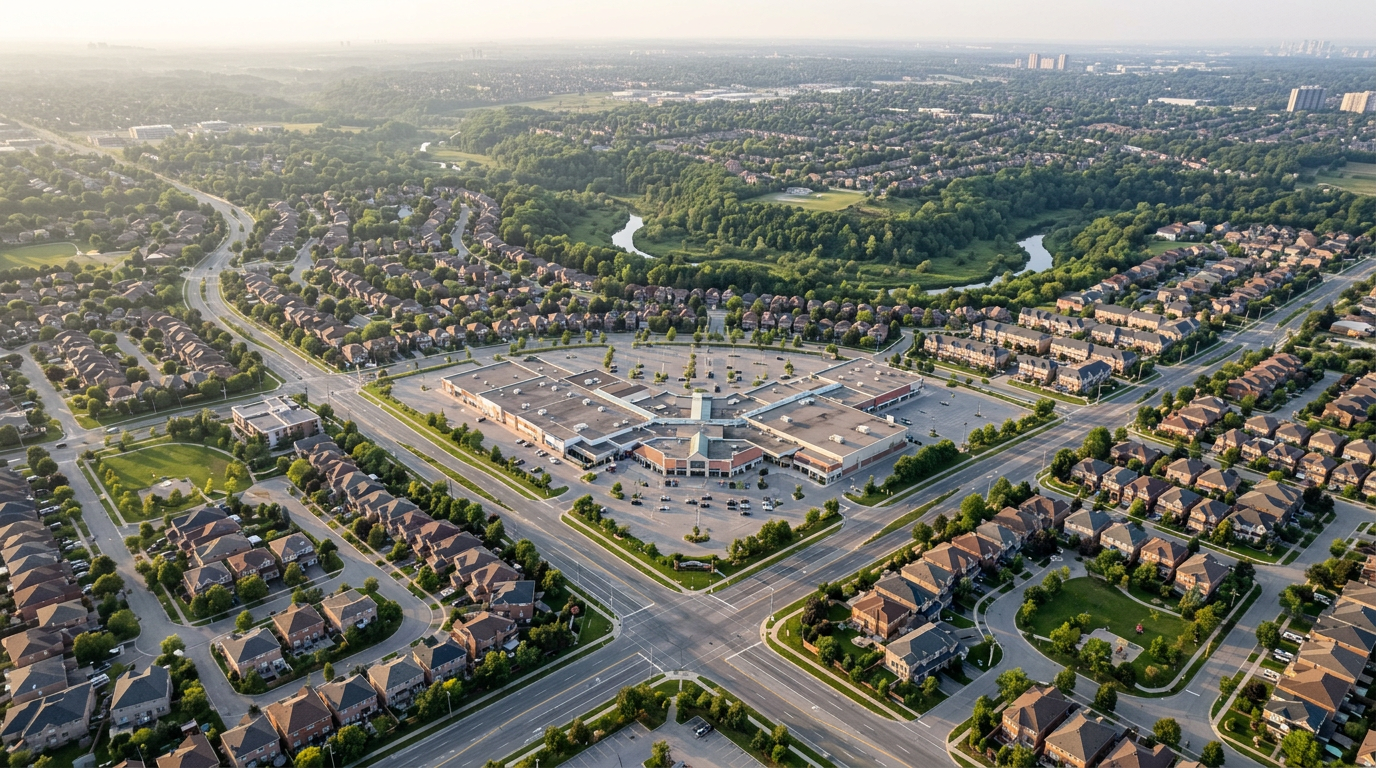
Erin Mills sits in the western part of
Mississauga
Meadowvale
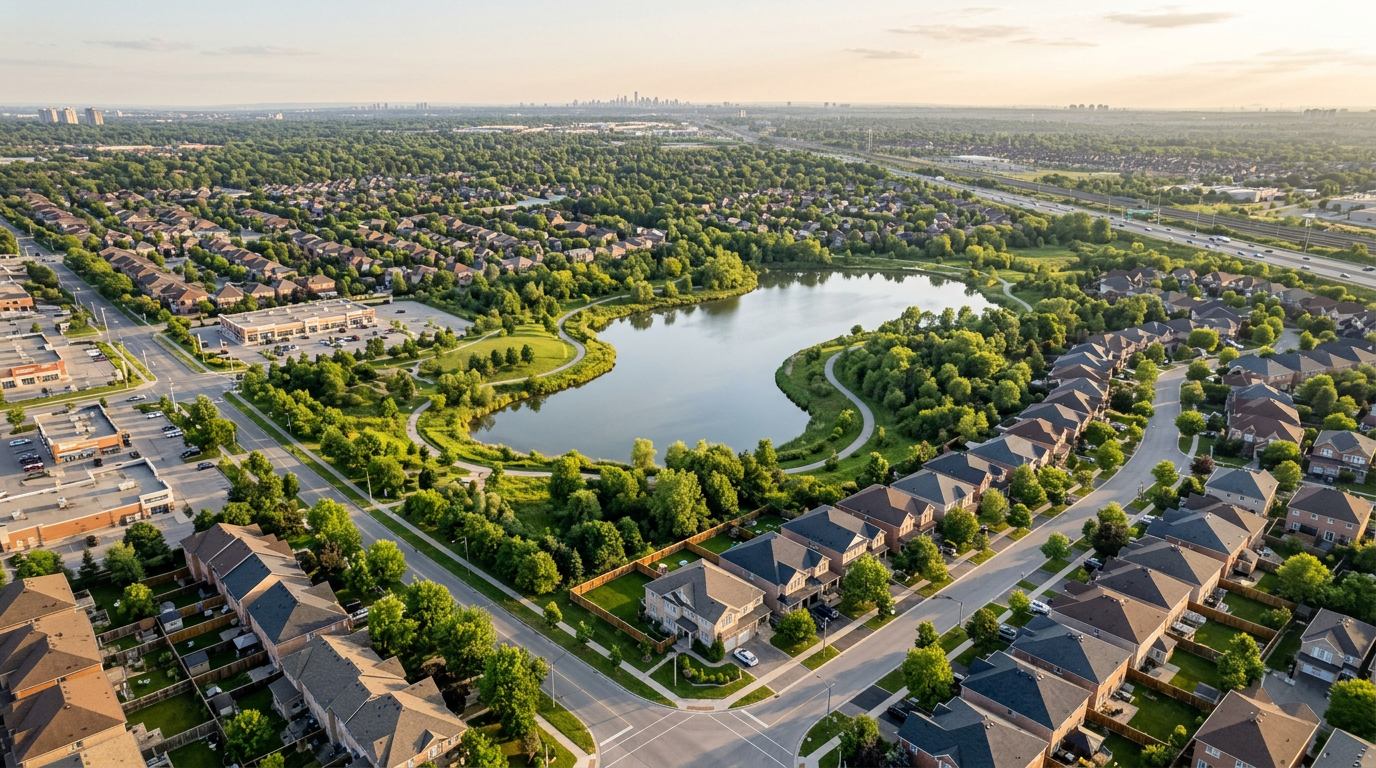
Meadowvale occupies the northwestern corner of Mississauga, bordered by natural green spaces that give the community a more secluded feel despite its proximity to major urban corridors. The neighborhood features a mix of housing types, from townhomes and detached properties to newer condominium developments, many arranged along tree-lined streets and crescents that encourage a quieter residential atmosphere.
Mississauga
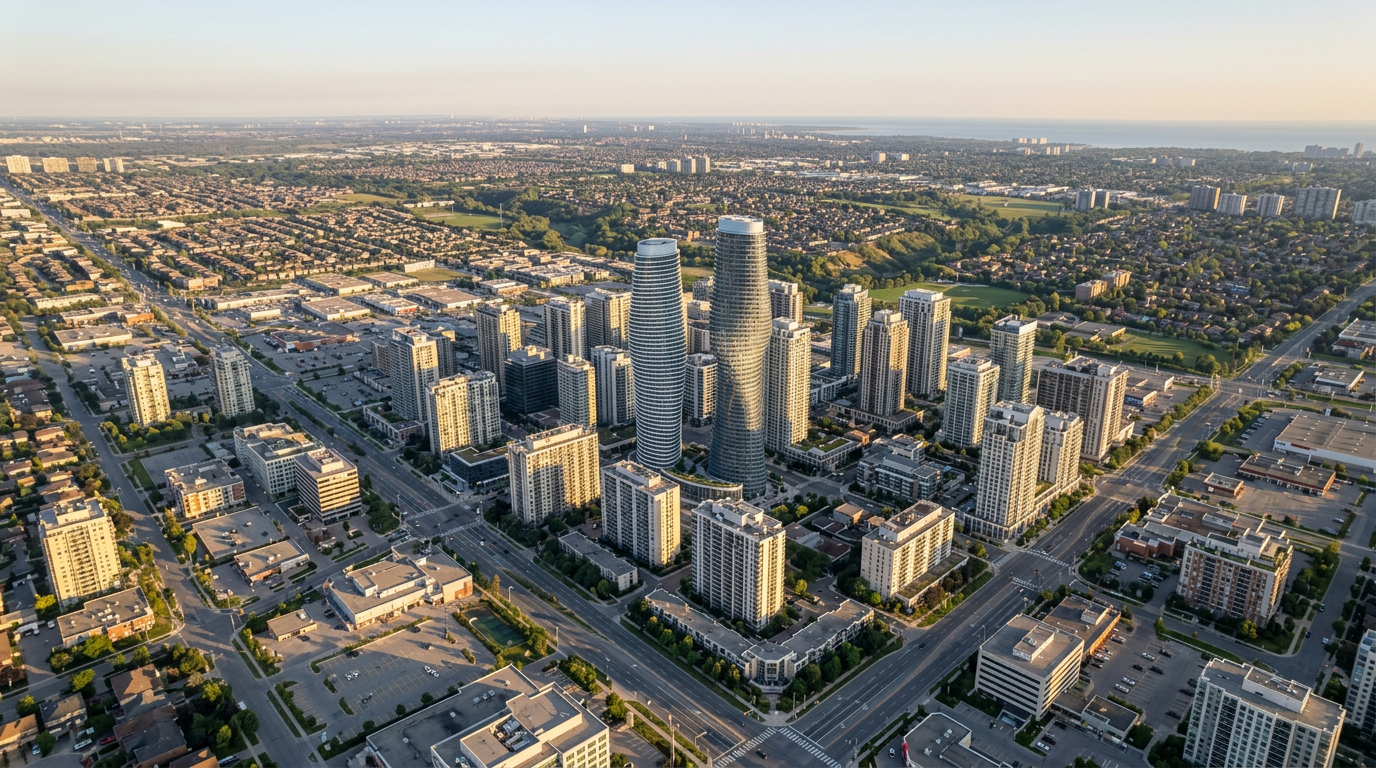
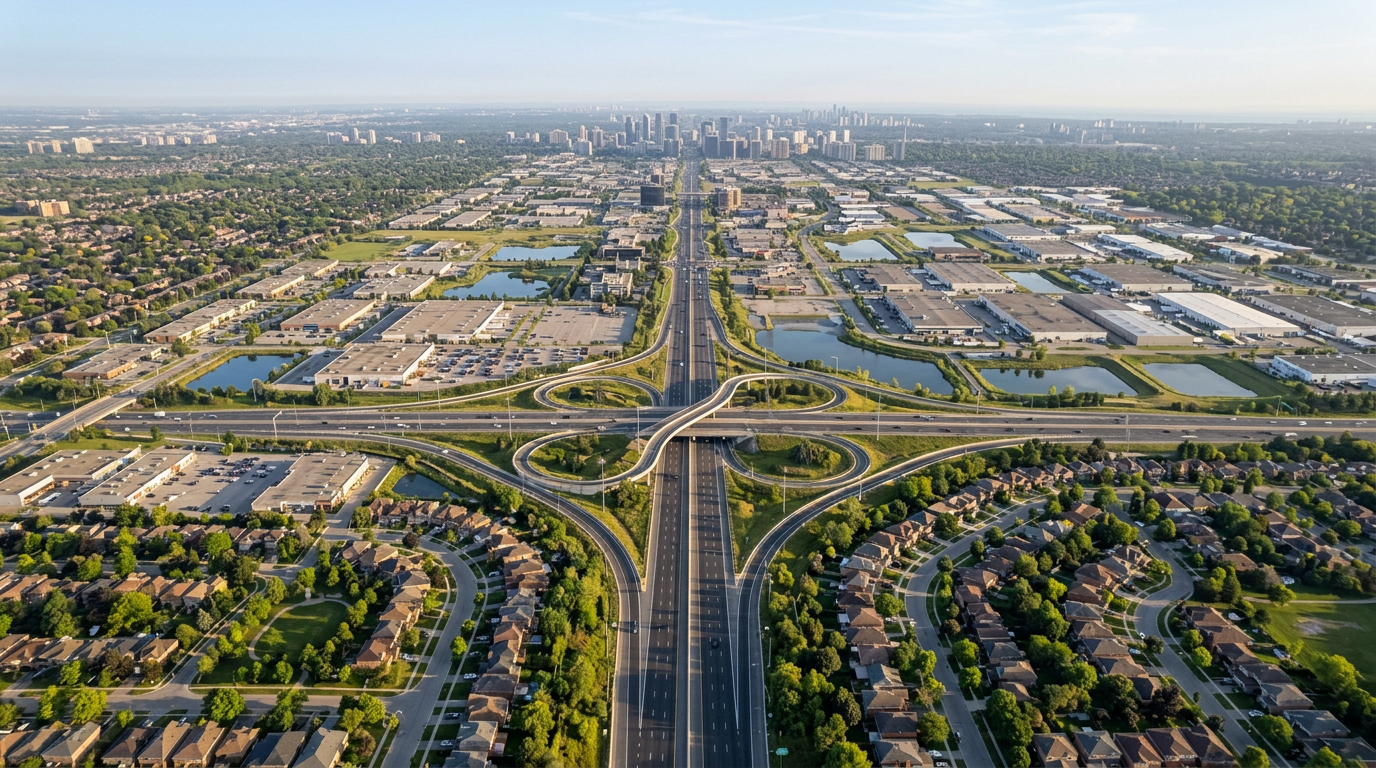
Mississauga stretches along Lake Ontario's western shore, forming Canada's sixth-largest city just beyond Toronto's borders. This diverse community encompasses everything from the downtown high-rises around Square One to tree-lined suburban streets where single-family homes and townhouses define established neighborhoods, while newer condominiums cluster near transit corridors.
Mississauga
Britannia
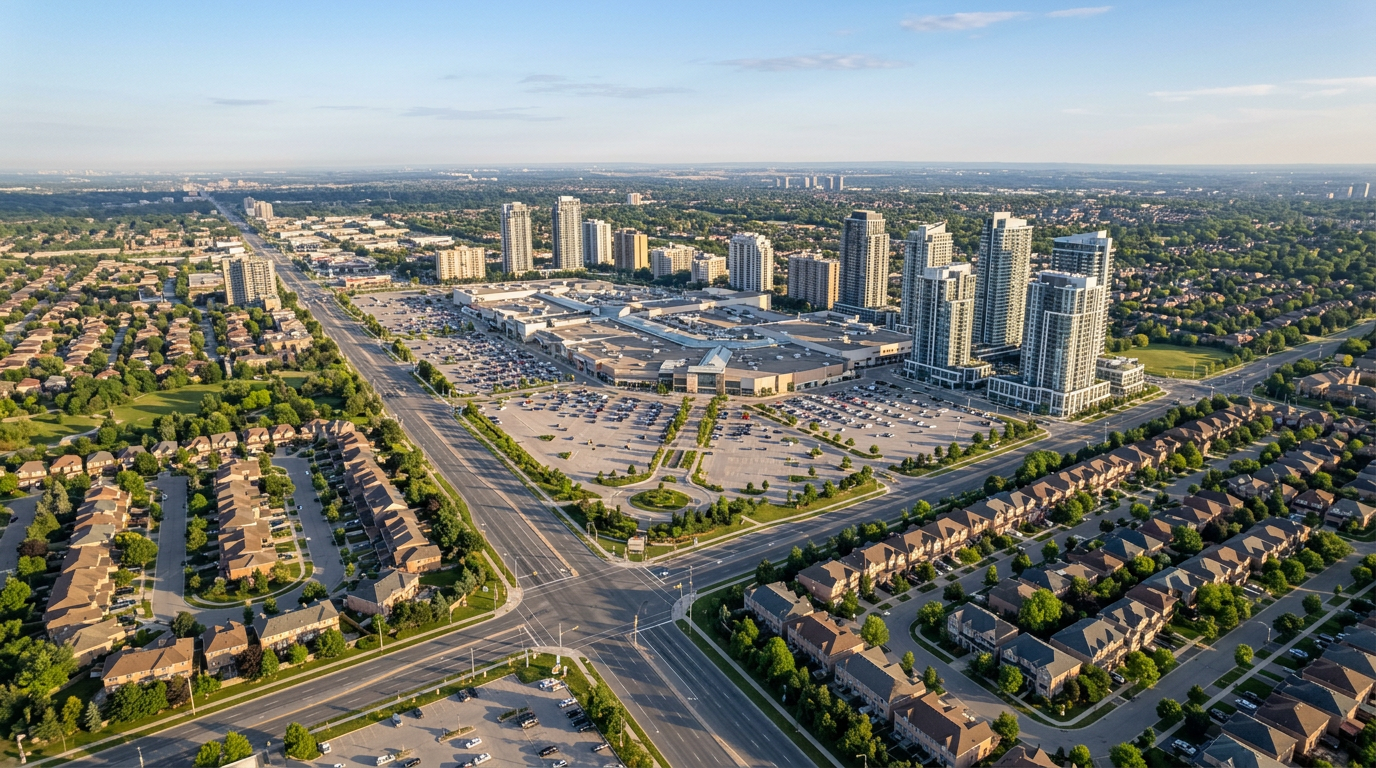
Britannia offers a comfortable, family-centered lifestyle in Mississauga's west end, conveniently positioned near major routes while maintaining a residential feel. The neighborhood features a mix of single-family homes and townhouses along tree-lined streets, with architectural styles reflecting development from the 1980s and 1990s. Curved roads and mature landscaping create a settled atmosphere that appeals to those seeking an established community.
Mississauga
Burnhamthorpe
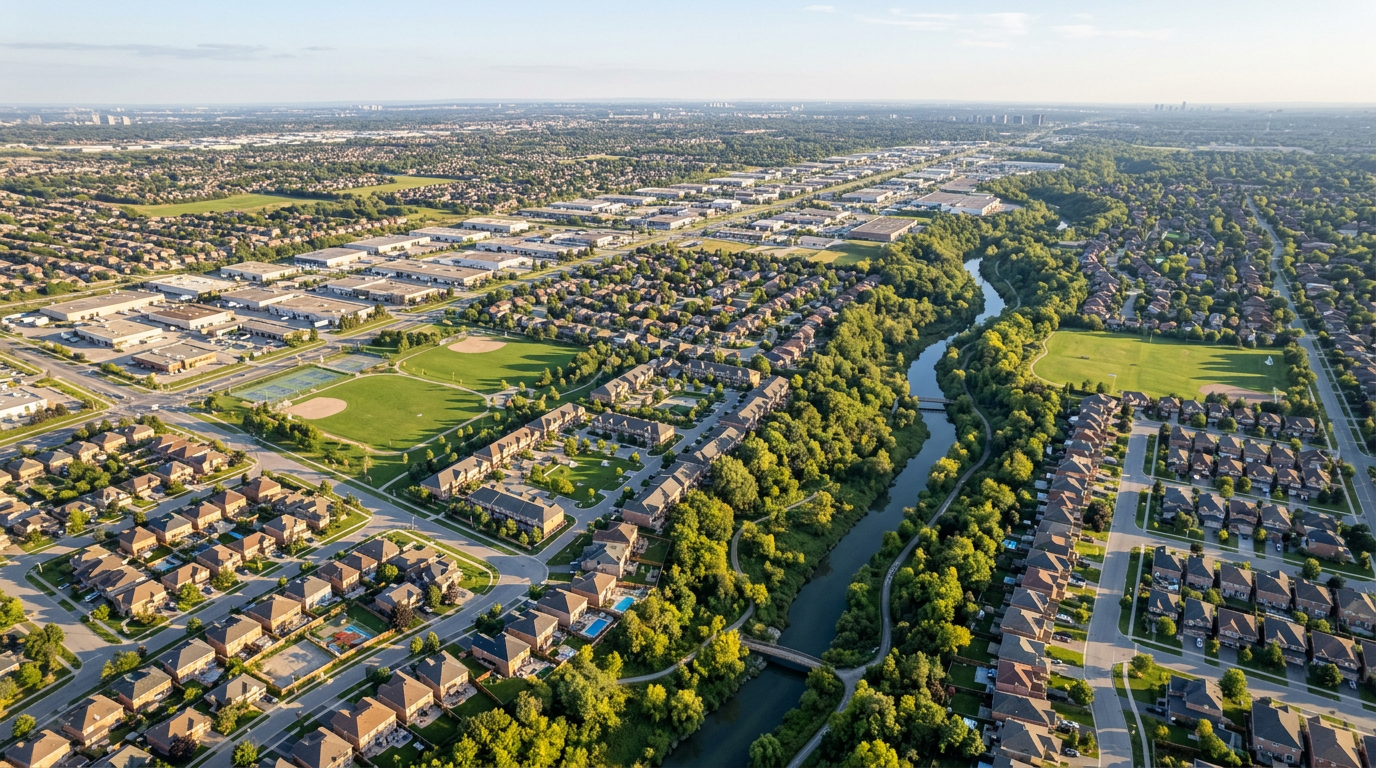
Burnhamthorpe spans a practical swath of Mississauga, offering the kind of convenience that makes daily life easier. The neighborhood sits close to major transit routes and highways, putting both downtown Toronto and Pearson International Airport within comfortable reach. Tree-lined streets mix low-rise apartments with townhomes and detached houses, creating a varied residential landscape that accommodates different household sizes and budgets.
Mississauga
Derry West
Derry West sits in the Mississauga area of Peel Region, offering a family-oriented environment with well-maintained streets and a mix of single-family homes and townhouses. The neighborhood's layout emphasizes accessibility, with straightforward connections to major routes that make commuting throughout the Greater Toronto Area manageable.
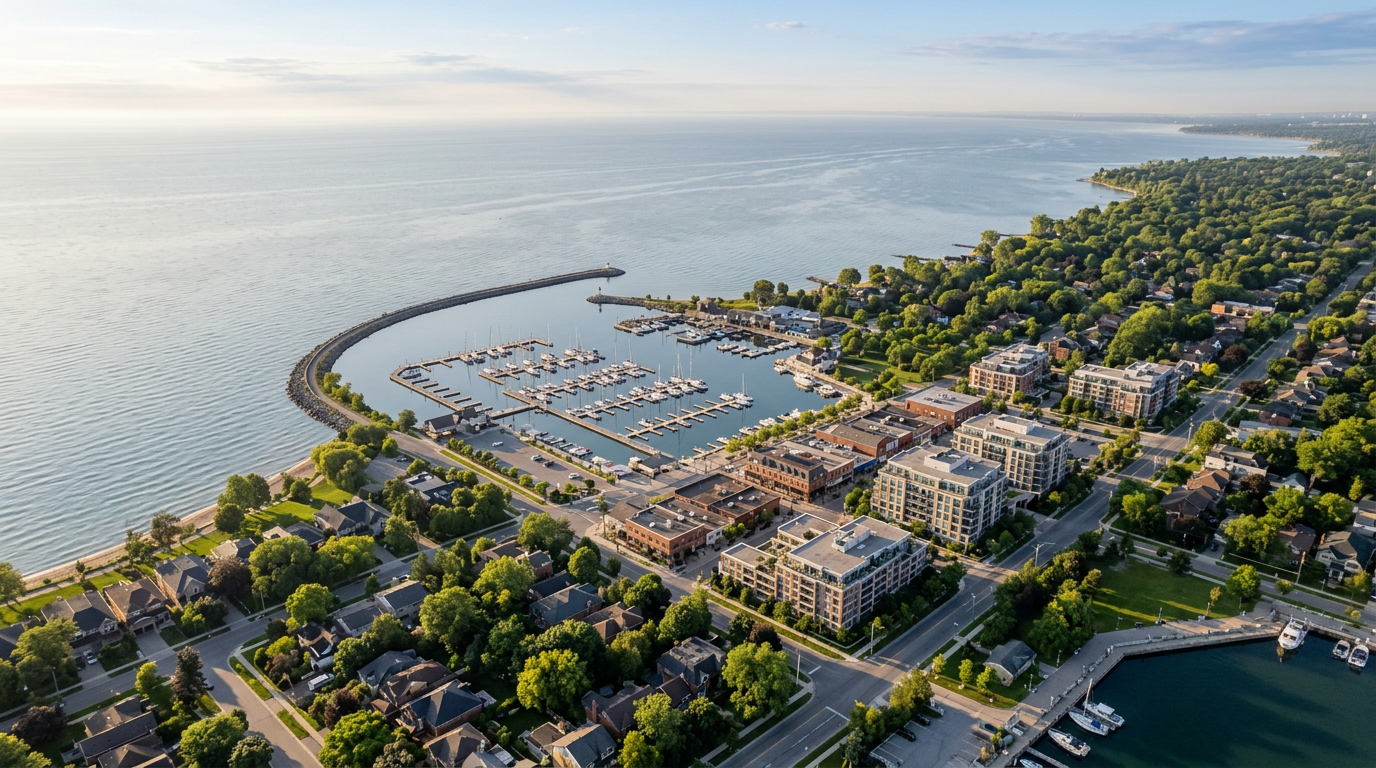
Oakville
Oakville sits along the shores of Lake Ontario, roughly halfway between Toronto and Hamilton, making it an attractive option for professionals working in either direction. The town stretches from the waterfront inland through established residential neighborhoods where tree-lined streets give way to parks, ravines, and conservation areas. Downtown Oakville centers around Lakeshore Road, where locally owned shops, restaurants, and services create a walkable main street. The harbor and waterfront trails draw runners, cyclists, and families year-round, while inland neighborhoods offer access to green spaces and community recreation facilities.
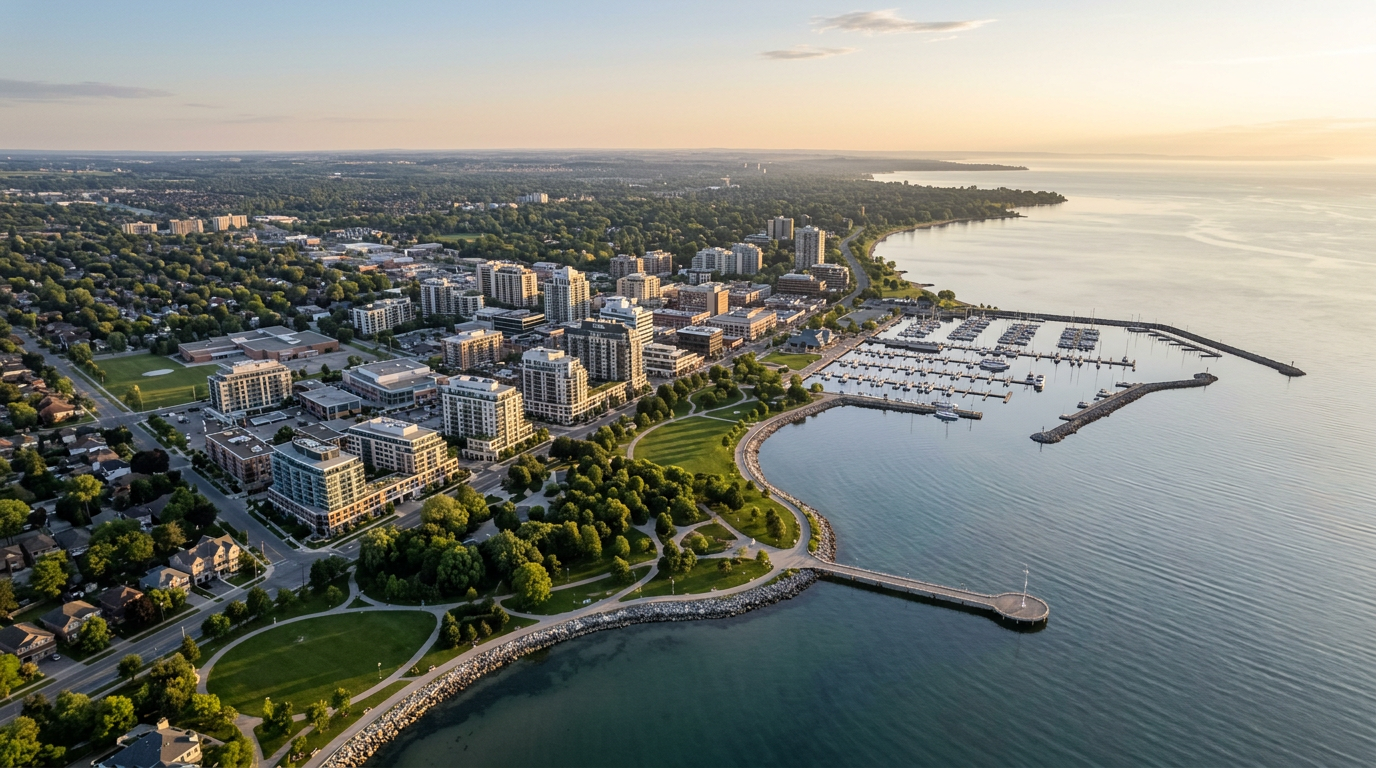
Burlington
Burlington sits along the western shore of Lake Ontario between Toronto and Hamilton, anchoring the Greater Toronto Area's western edge where the Niagara Escarpment meets the water. This geography shapes everything about the city—from the wooded trails climbing the escarpment to the waterfront parks stretching along the lakeshore, residents enjoy remarkable access to natural landscapes within an urban setting.
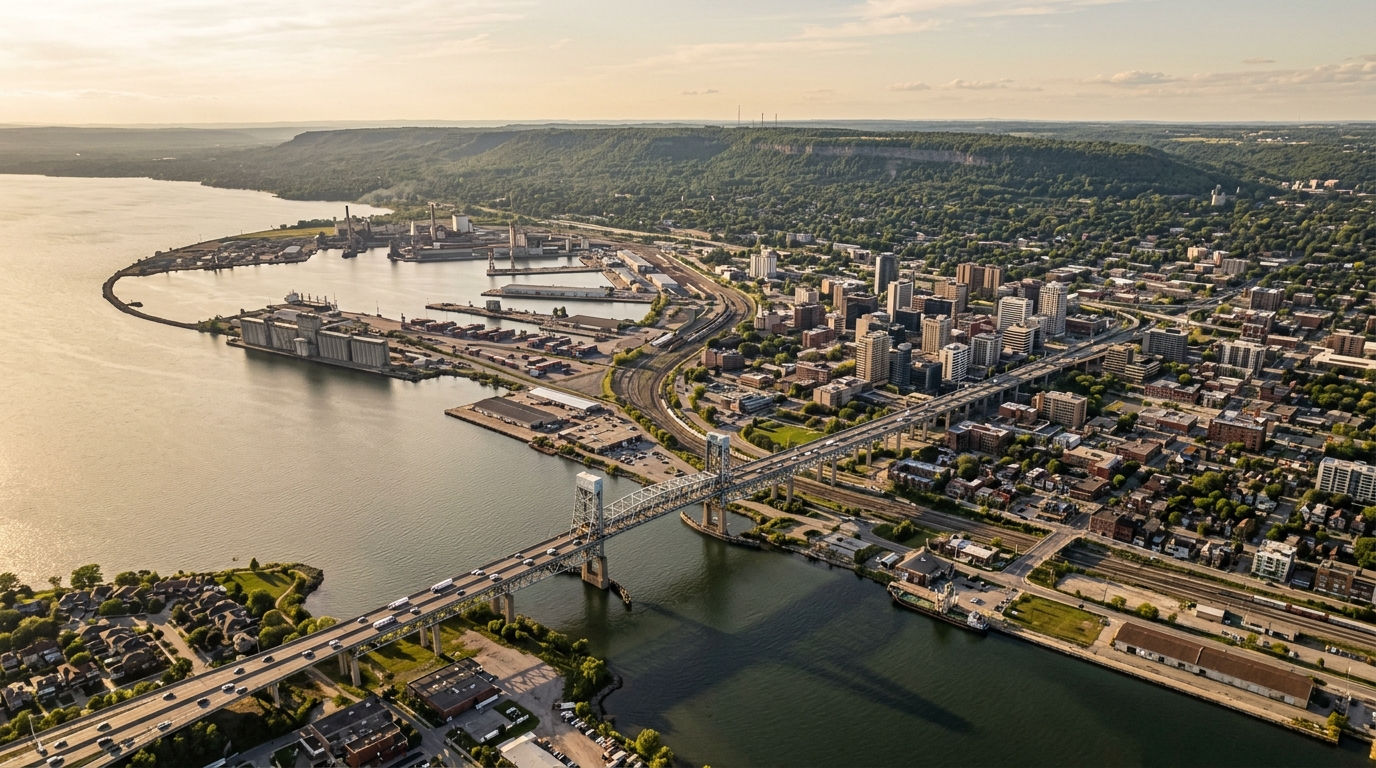
Hamilton
Hamilton rises at the western tip of Lake Ontario, where the Niagara Escarpment cuts through the city and shapes its dramatic topography. This industrial heritage city has steadily transformed its waterfront and downtown core while retaining the character of its established residential neighborhoods that climb the escarpment's slopes. Housing ranges from historic brick homes in mature tree-lined areas to modern condominiums overlooking the harbor, with suburban subdivisions spreading across the mountain plateau.
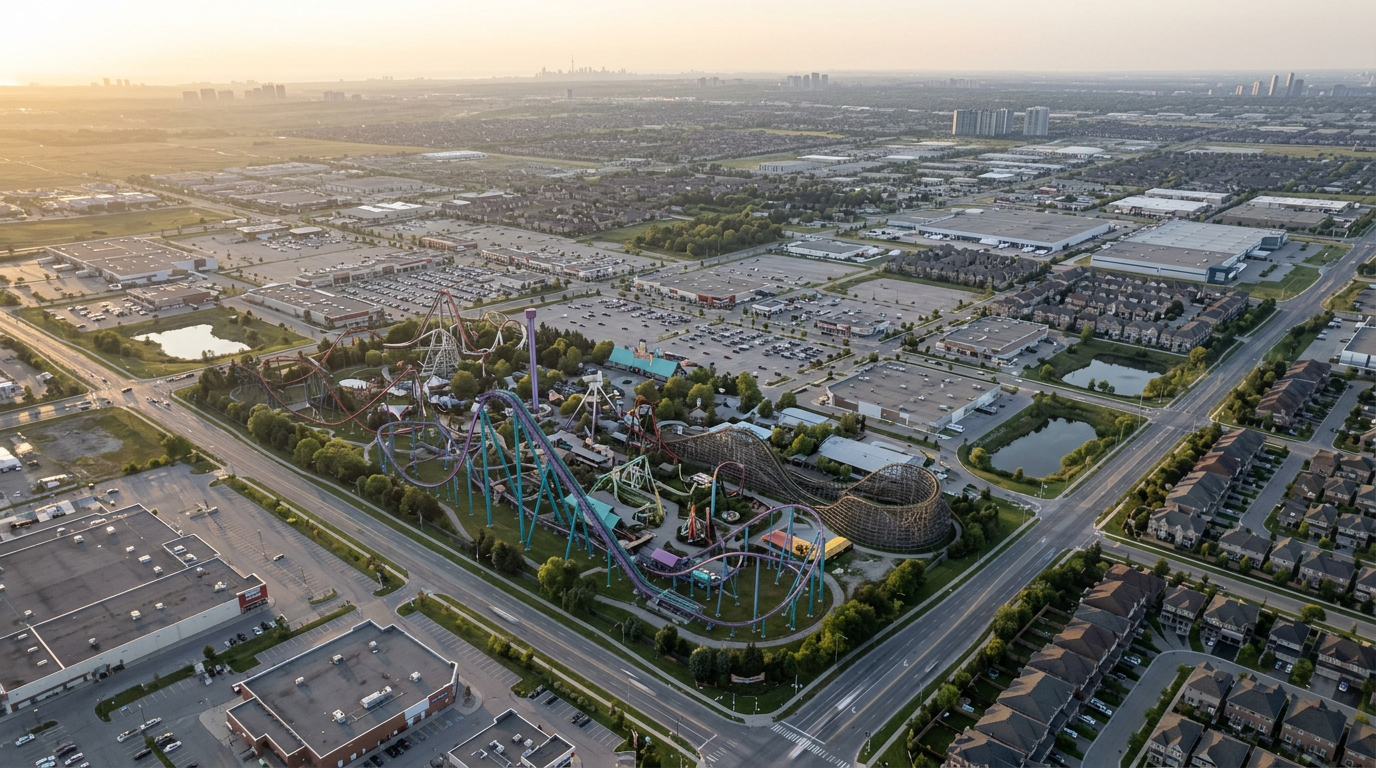
Vaughan
Vaughan stretches across rolling terrain just north of Toronto, its landscape a patchwork of established residential neighborhoods, newer subdivisions, and bustling commercial corridors. Housing ranges from midcentury bungalows and spacious detached homes on mature lots to contemporary townhomes and high-rise condominiums clustered near transit hubs. The city's character shifts from area to area—some streets feel suburban and family-oriented, while others buzz with Italian cafés, Middle Eastern grocers, and Asian dining rooms reflecting the region's diverse makeup.
Richmond Hill
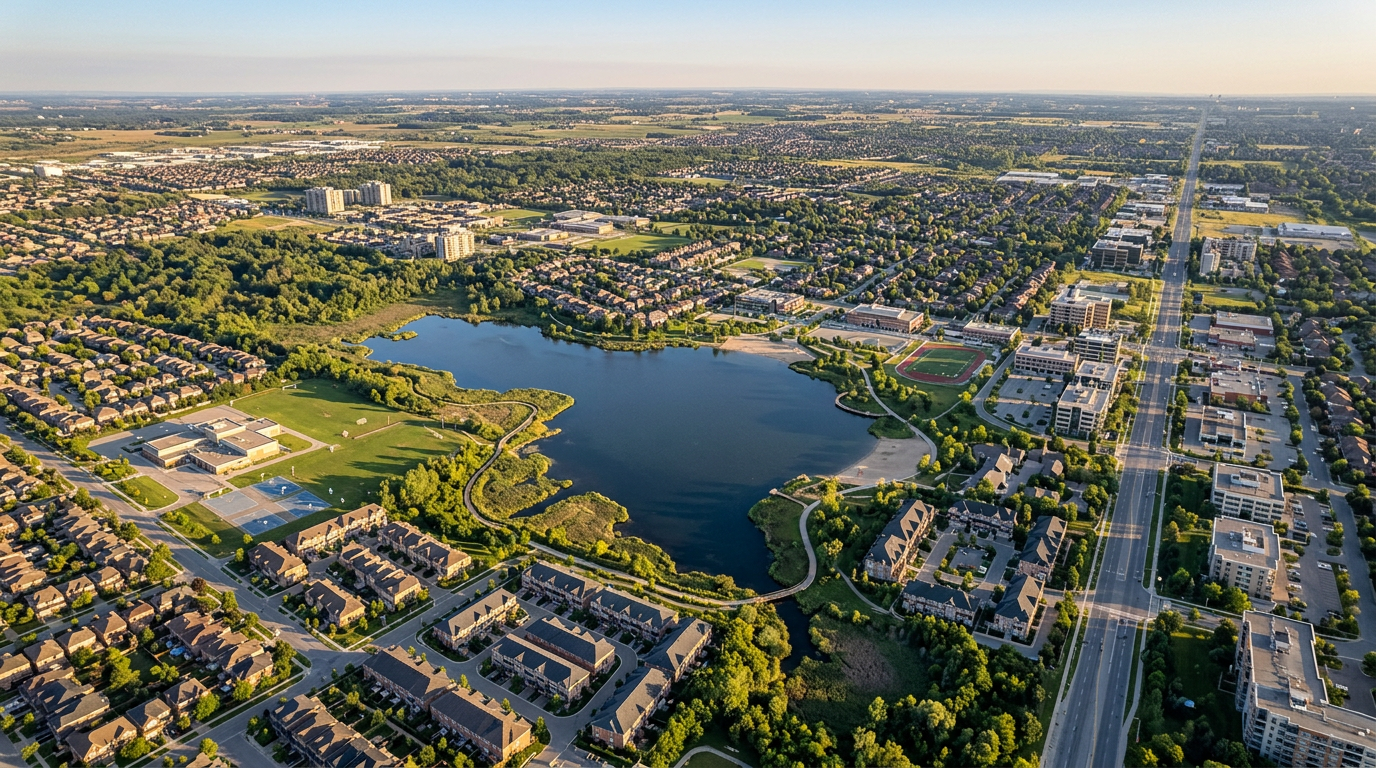
Richmond Hill stretches across the northern edge of the Greater Toronto Area, where rolling terrain and tree-lined streets define much of its residential character. The city encompasses everything from established neighborhoods with mature landscaping and brick homes to newer subdivisions featuring contemporary architecture and townhouse communities. Along Yonge Street and throughout the downtown core, mid-rise condominiums attract urban-minded residents, while the surrounding areas offer more spacious single-family properties.